Join us this month in raising awareness and hope for recovery during Substance U...See More
Jan 09, 2026
Call Us
Restoring function with advanced surgery

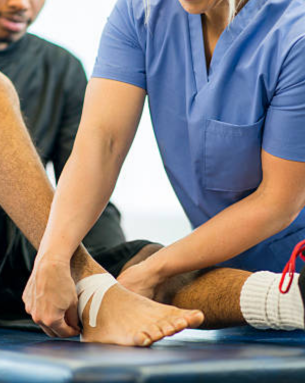
Immediate, expert injury management

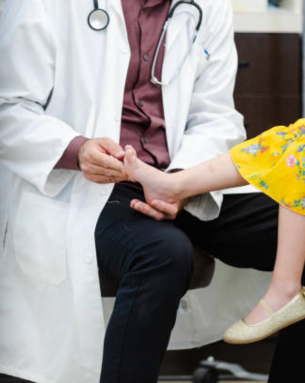
Specialized treatment for children’s orthopedic needs

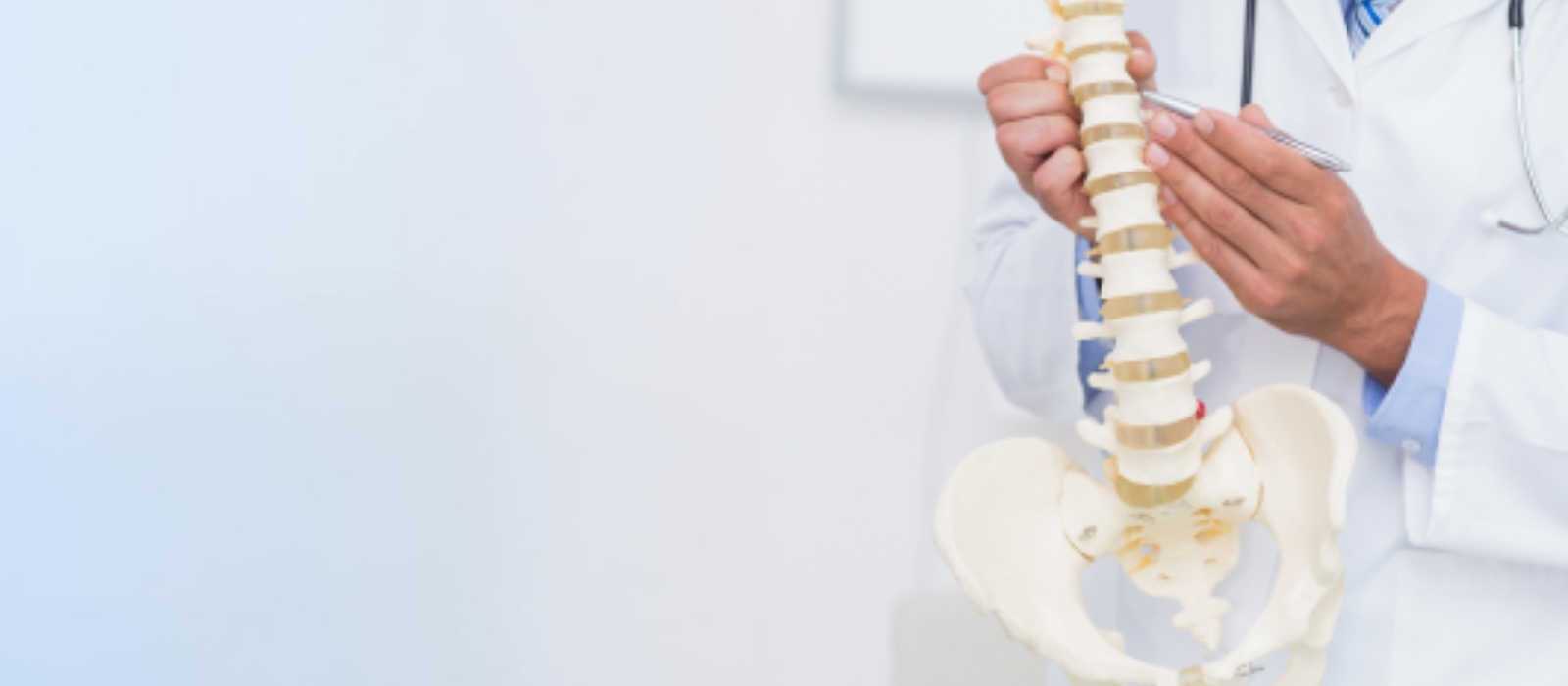
For all your Spinal Health needs
.jpg)
.jpg)
.jpg)
.jpg)
About Us
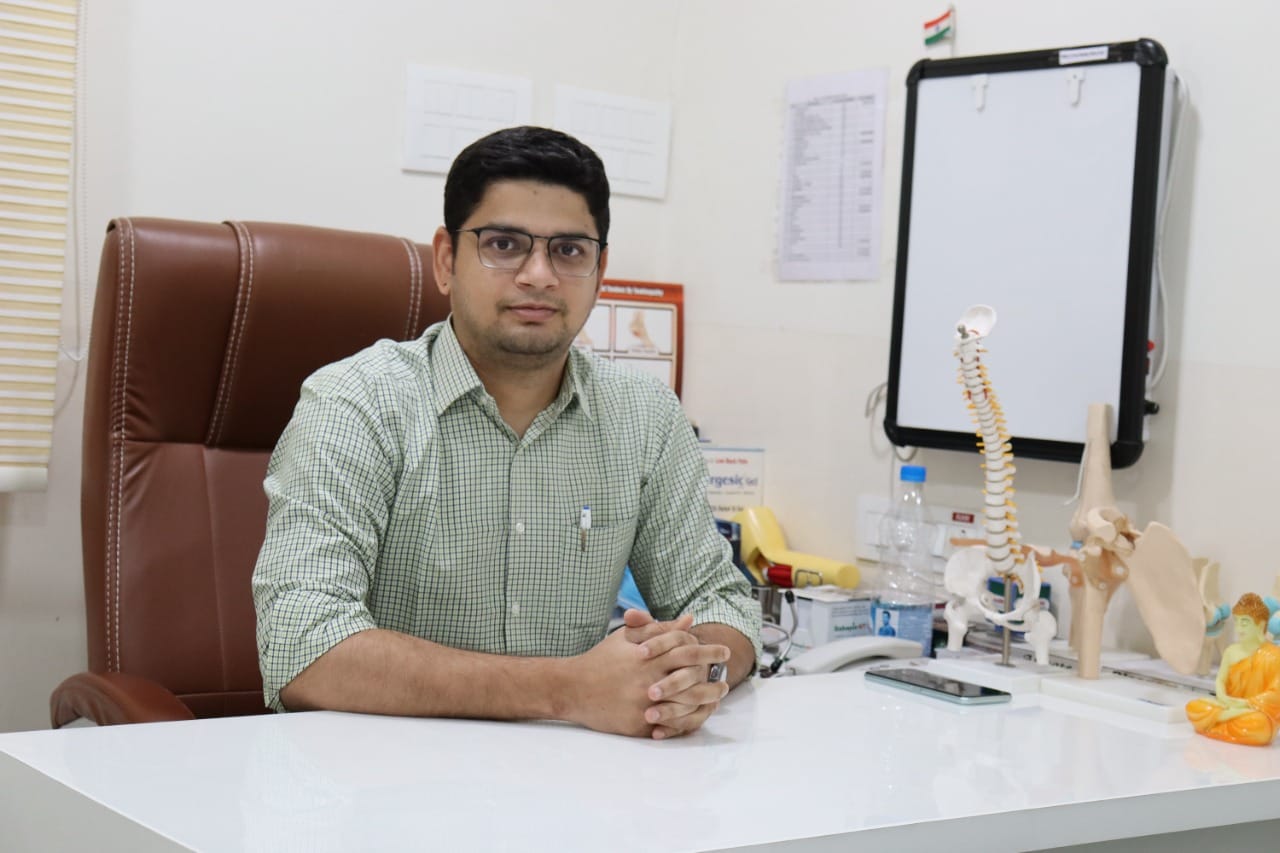
Behind every successful recovery is a doctor who listens, observes, and acts with precision — and that’s exactly what defines Dr. Venkata Rami Reddy Kolli. With over 14 years of focused orthopedic practice in Hyderabad, he is known for his calm approach, clarity in diagnosis, and confident surgical hand.
Dr. Reddy's expertise spans a broad spectrum — from performing high-accuracy joint replacements to managing delicate pediatric orthopedic conditions and complex trauma cases. Whether it’s hip realignment, ACL reconstruction, or spinal correction, he blends clinical insight with the latest techniques to ensure outcomes that restore not just movement, but quality of life.
Having performed 1,500+ surgeries and impacted more than 10,000 lives, Dr. Reddy stands out not just for his surgical skill but for his commitment to long-term recovery. His patients value his clear communication, structured rehab guidance, and ability to simplify complex orthopedic concerns into actionable, reassuring plans.
Years Of Experience
Surgeries Performed
Happy Patients



Advanced treatment for bones, joints & spine

Stay informed with our latest updates, posts, announcements, and healthcare news
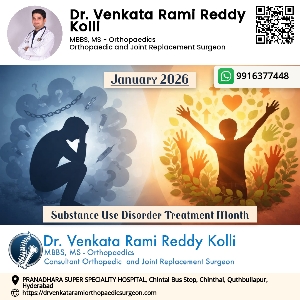
Join us this month in raising awareness and hope for recovery during Substance U...See More
Jan 09, 2026
Call UsOrthopedic Surgeon
.png)
What our Patients says about us
Dr. Venkatrami reddy did a great job with my health exam. He explained everything to me in a very clear manner. He was also kind and friendly. All of the staff was great, they were helpful and helped with my insurance. Wonderful experience with him.. Dr. Venkatrami reddy was a wonderful surgeon, and the staff was always helpful and kind. They ensured I had a smooth prep, surgery, and followup. I am so glad I chose RNC HOSPITAL and would highly recommend to anyone.

Dr. Venkat ramireddy sir ls gud he has excellent diagnostic skill in all ways fast and accurate in opinion and care thank you very much
Best ortho consultant and surgeon I have never seen.. good communication with patient and attenders.. I surely advice people to consult sir with any ortho problems
We had great experience with Dr VENKAT RAMI REDDY for treatment of my dad knees problem. My dad was suffering a lot from knees problem from many days. After taking treatment he got completely cured... Thankyou sir Dr VENKAT RAMI REDDY MBBS MS OR
Dr.Venkat rami reddy Sir is knowledgeable and Friendly Orthopedic Doctor. He is been very courteous and patient to understand, diagnose problem and dealt very well. He pays utmost attention to every minute detail of patients issue and makes them very comfortable. Thank you Sir
Need Answers? Find them here...
Dr. Venkata Rami Reddy Kolli is a highly skilled Orthopedic Surgeon in Hyderabad with over 14 years of experience. He practices at Pranadhara Super Speciality Hospital, specializing in joint replacement surgery. With an MBBS from Rajiv Gandhi University of Health Sciences and an MS in Orthopaedics, Dr. Reddy has successfully performed over 1,500 surgeries. His expertise in arthroscopy and sports injury management, combined with a patient-focused approach and post-operative care, makes him a dependable choice for joint replacement.
Dr. Venkata Rami Reddy Kolli, an esteemed orthopedic surgeon in Hyderabad, provides compassionate pediatric orthopedic care at Pranadhara Super Speciality Hospital. With 14 years of experience, he focuses on deformity correction and comprehensive treatment of musculoskeletal conditions. His patient-centric care involves evidence-based treatments and guidance on rehabilitation, ensuring holistic recovery for young patients. Dr. Reddy’s dedication to pediatrics and foot & ankle disorder management underscores his reputation as a leader in pediatric orthopedic care.
A General Orthopaedics specialist addresses a wide range of musculoskeletal issues including bones, joints, ligaments, tendons, and muscles. They diagnose and treat fractures, sprains, dislocations, and other injuries. General orthopaedics often involves preventive care, surgical procedures, and rehabilitative techniques to ensure comprehensive care, allowing patients to recover mobility and functionality.
An orthopedic surgeon manages Fracture & Trauma Care by evaluating the extent of the injury through physical assessment and imaging such as X-rays. Treatment can involve immobilization, surgical intervention, or reduction to realign bones. Post-care includes monitoring healing, pain management, and rehabilitation to restore strength and function to the injured area, ensuring a complete recovery.
Joint Replacement Surgery involves removing a damaged joint and replacing it with an artificial implant. This procedure is typically performed on knees, hips, and shoulders affected by arthritis or severe injury. The process includes pre-operative assessment, surgical implantation, and post-operative rehabilitation. The goal is to alleviate pain, restore joint function, and improve overall mobility and quality of life for the patient.
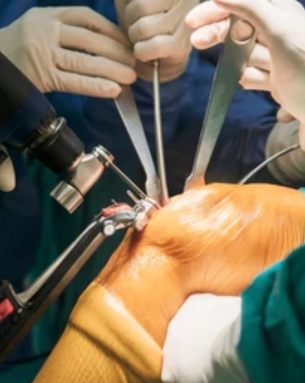
Arthroscopy is a minimally invasive surgical procedure used in Sports Injury Management. It involves inserting a small camera, called an arthroscope, into the joint. This allows surgeons to diagnose and treat joint problems such as torn ligaments, cartilage damage, and inflamed tissues with minimal disruption. Arthroscopy aids in quicker recovery times, less post-operative pain, and a faster return to sports and daily activities.
Spine Surgery is necessary when conservative treatments fail to relieve severe back pain or neurological symptoms caused by spine disorders such as herniated discs, spinal stenosis, or scoliosis. Surgery aims to decompress nerves, stabilize the spine, and alleviate pain, improving patient mobility and quality of life. A thorough evaluation is conducted to determine the appropriate surgical approach tailored to individual needs.
Paediatric Orthopaedics specializes in diagnosing and treating musculoskeletal problems in children and adolescents. This includes congenital deformities like clubfoot, developmental dysplasia of the hip, scoliosis, and growth-related disorders. Specialists ensure age-appropriate interventions, employing both surgical and non-surgical treatments, focusing on promoting healthy growth, development, and function, while minimizing long-term orthopedic complications.
Orthopedic surgeons treat Foot & Ankle Disorders by addressing conditions such as fractures, sprains, tendonitis, plantar fasciitis, and deformities like bunions. Treatments range from conservative methods, including physical therapy and orthotics, to surgical interventions for severe cases. The objective is to restore function, alleviate pain, and improve mobility, enabling patients to resume activities comfortably and prevent recurrence.
Pain Management is integral to orthopaedic treatment, ensuring patient comfort throughout diagnosis, treatment, and rehabilitation phases. Techniques include medications, physical therapy, nerve blocks, and sometimes surgery. Effective pain management not only alleviates discomfort but also facilitates faster recovery and enhances overall outcomes by allowing patients to engage more thoroughly in rehabilitation exercises and daily activities.
Post-Operative Rehabilitation Guidance is crucial for optimal recovery following orthopedic surgery. It involves a structured rehabilitation program tailored to individual needs, focusing on restoring strength, flexibility, and function. This guidance ensures proper healing, reduces the risk of complications, and improves overall surgical outcomes, enabling patients to return to their usual activities with enhanced mobility and minimized pain.
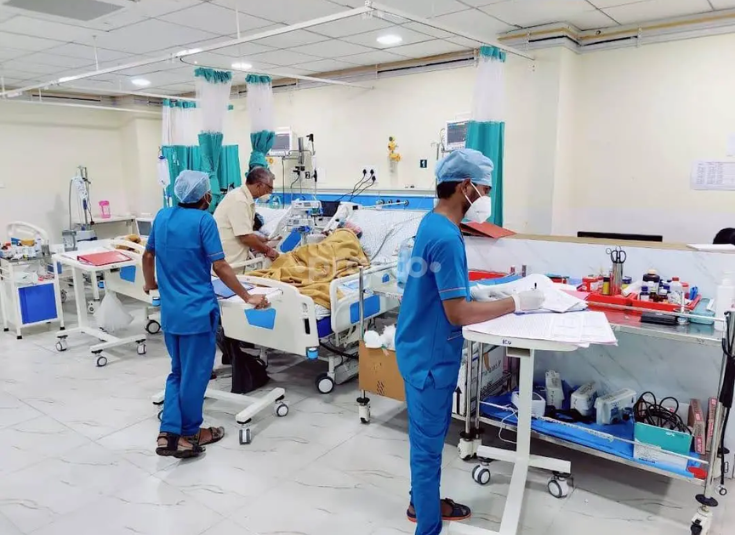
The recovery process after Joint Replacement Surgery involves several stages, starting with post-operative hospital care where pain management and initial mobilization occur. It progresses through a tailored rehabilitation program involving physical therapy to restore joint function, strength, and mobility. Patients are instructed on maintaining joint health, including activity modifications and exercises, ensuring a smooth transition back to daily activities with improved quality of life.
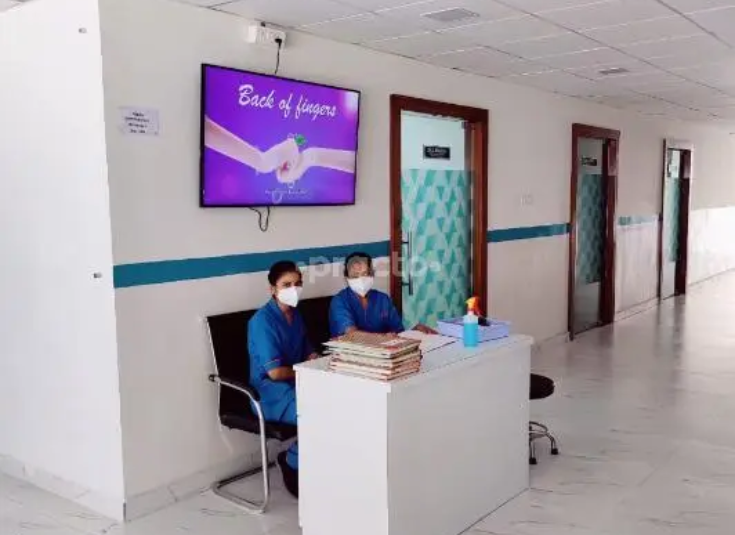
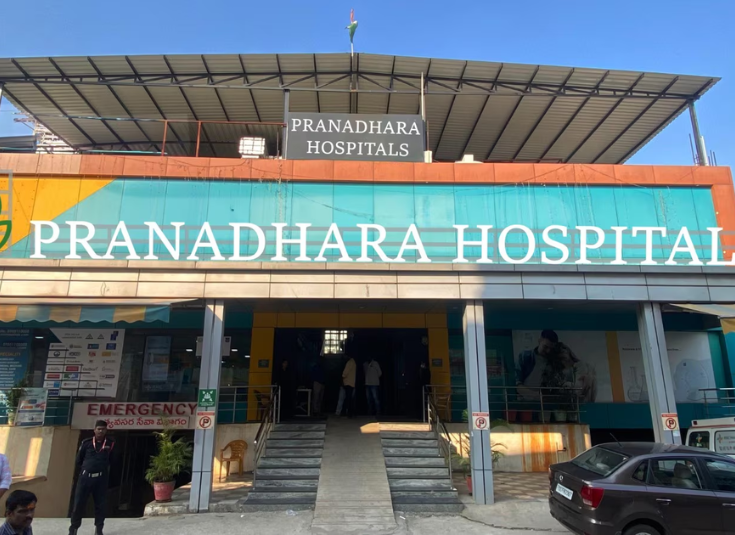
 Address :PRANADHARA SUPER SPECIALITY HOSPITAL, Bus stop, Plot no 6, KMG Garden Rd, Chinthal, Quthbullapur, Hyderabad 500037, Telangana